
How I Protect My Crypto: Trading Smarter, Locking Down Private Keys, and Why I Trust Ledger Devices
Okay, so check this out—I’ve been in crypto long enough to have scars and wins. Wow. Trading can feel like surfing a hurricane. You ride a swell, then boom, something unexpected knocks you sideways.
My instinct said early on: custody matters more than timing. Seriously? Yes. You can be a great trader and still lose everything because someone grabbed your keys. Initially I thought hot wallets were fine for day-to-day moves, but then I realized the long tail of risks—malware, phishing sites, browser extensions with backdoors, SIM swaps. Actually, wait—let me rephrase that: hot wallets are convenient, but convenient often equals vulnerable.
Here’s what bugs me about most beginner advice: it treats security as a checkbox. Backup your seed. Done. Nope. There’s nuance. On one hand you want speed and low friction for trading; on the other you need cold storage practices that survive human error, physical theft, and technological obsolescence. Though actually, those needs can be balanced if you adopt a layered approach.
Layered Security: My Mental Model
I split my holdings into three buckets: active, reserve, and legacy. Short-term trading capital sits in an application wallet I’m willing to accept some risk for, because speed is everything when you scalp. Reserve holdings live on a hardware wallet I access occasionally. Legacy funds—family inheritance-level stacks—are locked with multi-sig and geographic redundancy.
Why split? Because cognitive load matters. If every trade demands moving coins between cold storage and your hot wallet, you’ll make mistakes. But if you keep only what you actually trade with on the hot side, the blast radius shrinks. My instinct said this early; experience hammered it home.
Two practical rules I use: 1) never expose a full seed to a connected device or phone, and 2) limit the number of devices that know the recovery phrase. Something felt off about writing seeds on scraps of paper and leaving them in drawers—so I upgraded to metal.
Private Keys: Protection That Actually Works
Private keys are a responsibility. They are not passwords. They’re more like the deed to an apartment complex. Lose the deed and the whole building is gone.
Physical security first. Store seeds on stamped metal plates when the value is non-trivial. Paper rots, water happens, ink fades. Metal survives heat and time. I use two geographically separated copies for anything over a certain threshold. Yeah, redundancy feels like overkill sometimes, but it’s saved me from a leaky basement incident.
Then process. If you must create a seed, do it offline. Preferably in a clean room or at least with a freshly wiped device that you’ll never connect to the internet again during initialization. Watch your environment—no cameras, no curious friends, no open tabs. I know that sounds paranoid, but this is a game of minimizing attack vectors.
And software hygiene. Use dedicated, updated systems for signing transactions. Avoid copy-paste. Don’t type seeds into devices. Seriously, stop doing that. Use QR or air-gapped signing when given the option. Small habits prevent catastrophic screw-ups later.
Why Ledger? A Personal Take
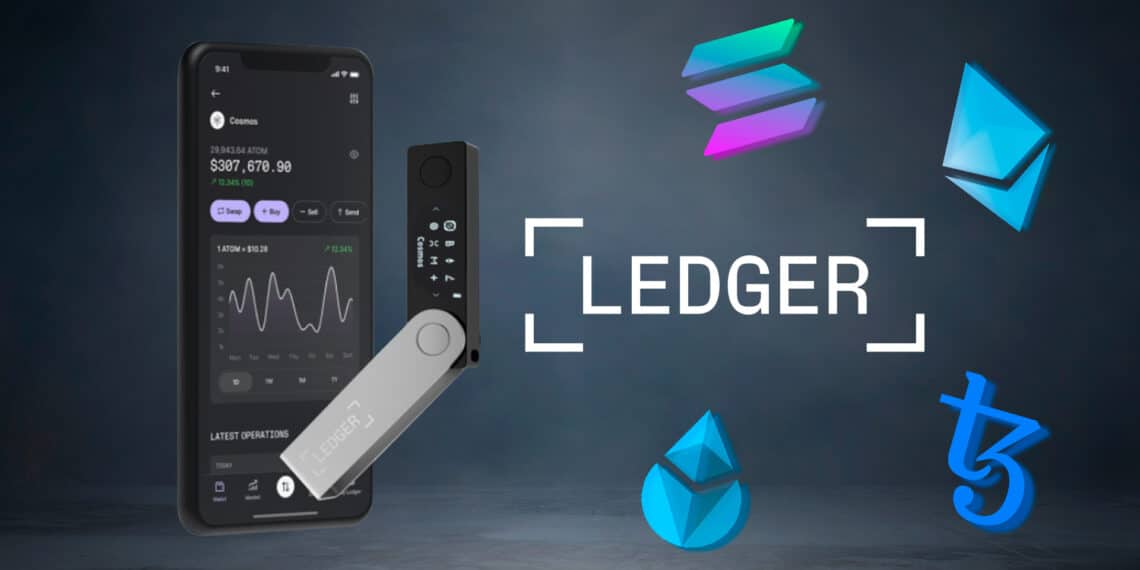
I’ve used multiple hardware wallets. Ledger stands out for me because of the ecosystem and developer support. Their devices isolate private keys in secure chips, and the UX gets constant improvements. That said, no device is a silver bullet. You still need solid procedures.
If you want a practical starting point for pairing a Ledger device with desktop management, check this out here. It’s a resource I point people to when they ask how to set up Ledger Live and get comfortable with transaction flows.
I’ll be honest: firmware updates sometimes feel scary. You worry an update might brick your device or change assumptions. But keeping firmware current is part of the defense—manufacturers patch vulnerabilities and add features. My approach: read release notes, verify signatures, and update from a clean workstation. Not glamorous. Necessary.
Trading Flows That Keep Keys Safe
Practical workflow—my trader setup looks like this: keep a hot wallet funded with the exact amount you expect to use within a week. Use two-factor authentication (TOTP or hardware 2FA) on exchanges, and prefer withdrawals to addresses you control. For large moves, cold-sign transactions using your Ledger, then broadcast from an online machine. It feels clunky at first, but you quickly get used to it.
Also: limits. Set withdrawal limits on custodial platforms if they offer them. Use exchange-level whitelisting when possible. And when you handle large trades, break them into tranches—smaller transactions reduce the functional risk of a single point failure.
Oh, and never reuse deposit addresses for privacy-sensitive moves. Reuse bleeds information. It’s annoying to track, but anonymity is a useful security layer.
Situations That Bite People (And How to Avoid Them)
Phishing is the top rookie killer. Attackers clone UIs, intercept clipboard contents, and send convincing DMs. My rule: if a link arrived unexpectedly, treat it as hostile. Bookmark your exchange and wallet pages. Use browser isolation or an unprivileged browser profile for trading. And—this is small but critical—double-check recipient addresses using your hardware wallet’s screen during signing.
SIM swap attacks keep coming up. Don’t rely solely on SMS-based 2FA. Use an authenticator app or hardware keys (YubiKey, for example). If you’re a US user, consider using carriers that provide protections or add a PIN to your mobile account.
Lastly, social engineering. People will try to befriend you or push you into “urgent” actions. Slow down. A few minutes of delay kills a lot of scams.
FAQ
How do I store a recovery phrase safely?
Prefer metal backups, store duplicates in geographically separated, secure locations, and avoid digital copies. If you must write it, use pencil on archival paper and laminate—then move to metal ASAP.
Is Ledger Live necessary?
No, but it’s convenient. You can interact with the blockchain via many wallets, but Ledger Live provides an integrated experience for firmware updates, app management, and transaction signing. Use it if you want a supported UX; otherwise use alternate software but keep the Ledger device for signing.
What if my Ledger is lost or stolen?
If you have a secure recovery phrase, you can restore funds on another device. That’s why protecting the phrase matters more than the physical device. If someone steals both device and phrase, they have everything—so split and secure backups.
Comments (No Responses )
No comments yet.