
Why I Still Reach for Phantom: A Real Take on Solana Wallet Extensions
Whoa!
Okay, so check this out—I’ve been poking around Solana wallets for years now.
At first glance Phantom looks sleek and simple, and that first impression matters more than people admit.
But here’s the thing: smooth UI isn’t everything; security, UX consistency, and extension provenance actually matter more than the icon in your toolbar, especially when you’re juggling NFTs, dApps, and swap flows across networks.
My instinct said “nice,” though then I started nitpicking every permission prompt, and I found somethin’ that bugged me…
Seriously?
Yes.
Initially I thought the extension model on browsers was solved, but then I realized each wallet handles transaction signing and origin checks differently.
On one hand, Phantom makes approvals readable for most users.
On the other, power users want more granular controls, and that friction shows up when you start using complex DeFi apps with multi-step transactions.
Hmm…
Let me be candid: I’m biased, but I’ve used Phantom on and off for two years while testing new Solana apps.
Actually, wait—let me rephrase that: I’ve used Phantom and several alternatives in parallel, switching accounts and moving tokens around to test edge cases and recovery flows.
What surprised me was not the UI but the way small UX choices create big security misunderstandings for people who are new to crypto.
For example, a casual user clicks “connect” and thinks they’re done, though actually that “connect” often grants app-level access that can request multiple transaction signatures later.
Here’s what bugs me about many wallet-extension experiences.
They assume users understand ephemeral approvals.
They assume users will read long permission dialogs.
But in reality, people are in a hurry—sometimes on their phone, sometimes on a public Wi‑Fi in a cafe near Silicon Valley—and they click.
So design and education need to meet in the middle, not sit in separate rooms arguing.
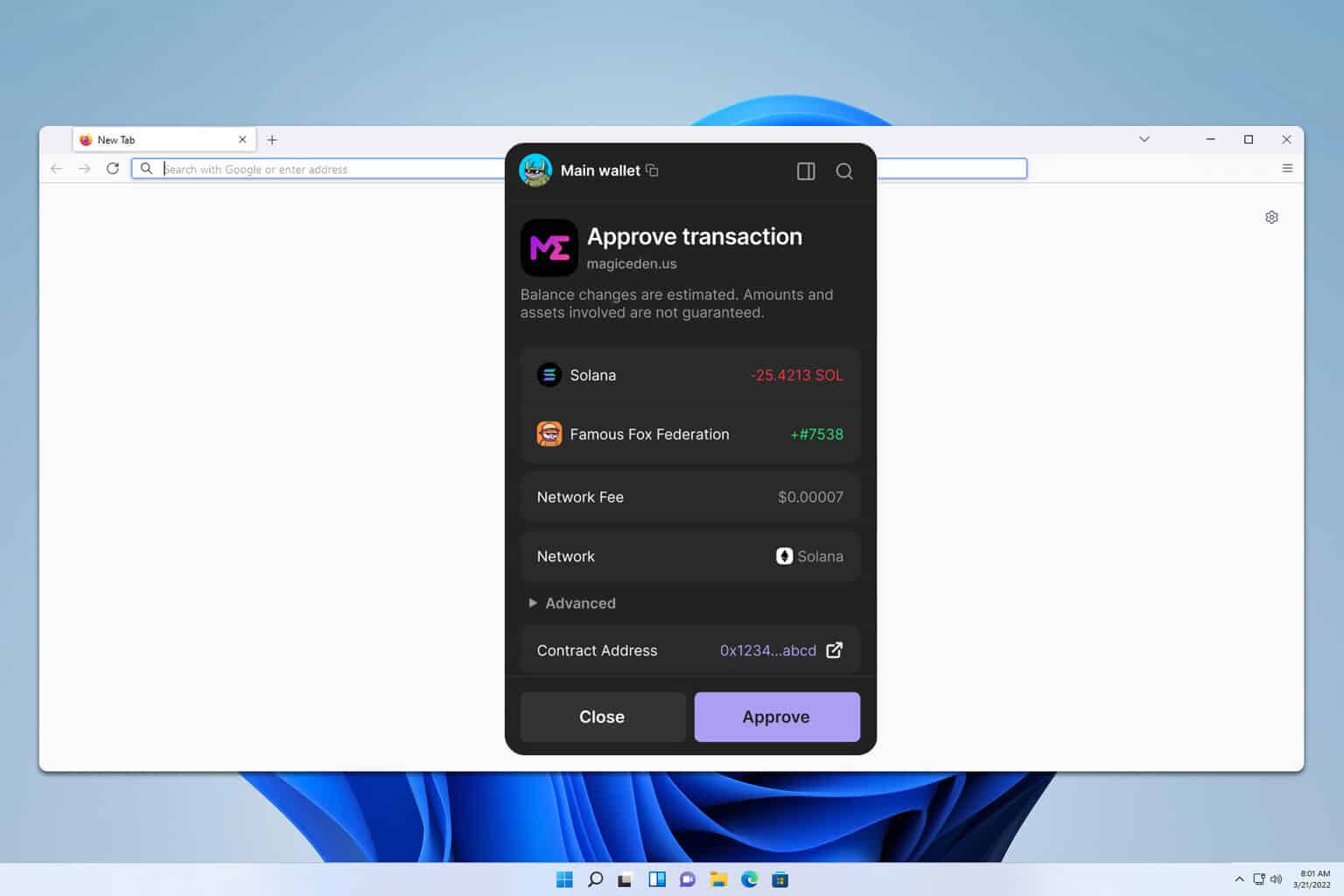
Downloading Phantom — what to watch for
Okay, so here’s a practical note—if you’re headed to install a Solana browser wallet, don’t just search and click the first result.
My rule of thumb: go to the official source, verify the publisher, and check user reviews (but don’t rely on them completely).
If you want the link I use for quick reference, try phantom — that’s where I landed when I needed a convenient reminder about installed versions and known caveats.
Wow, the number of fake extensions out there is… alarming.
Really, take two minutes to confirm the extension ID and the publisher details in the Chrome or Brave store before granting permissions.
On one hand, browser extensions are supremely convenient.
On the other hand, that convenience raises the stakes—extensions get access to web context, and a compromised extension can be catastrophic.
So I watch three things when I install or audit an extension: update frequency (active maintenance), community signals (what devs and users say on GitHub/Discord), and permission granularity (what it actually asks to do).
If any one of those is off, I either delay installation or set up a throwaway profile just for testing; it’s a little extra work, but it saved me from a bad move once.
Practical tip: use a separate browser profile for mainnet usage and another for casual browsing.
This reduces accidental exposures when visiting unfamiliar sites.
Also, back up your seed phrase properly—paper cold storage is low-tech but effective.
Don’t store your mnemonic in cloud notes tied to your primary email.
That simple habit prevents very very painful mistakes.
Now, about NFTs and Solana—this part is fun and messy.
NFTs on Solana are cheaper to mint compared with some other chains, so more folks experiment, which is great.
However, the cheap mint plus hype cycle means scamming tactics proliferate quickly.
Folks click connect for a drop, sign a few “authorization” transactions, and then wonder why a marketplace moves their assets.
That scenario is avoidable, though, with disciplined wallet hygiene and a basic understanding of what different transaction types mean.
Whoa!
Here’s a concrete habit I use: always review the raw JSON or the transaction preview if the dApp offers it.
If you see “transfer” or “approve” for an amount that doesn’t match the UX, don’t sign it.
This step is low effort and prevents many common click‑through exploits.
Also, keep a token of caution in your toolkit—if a mint page asks for unusual chain interactions, pause and check community channels.
I’m not 100% sure every user will adopt these habits.
But from a product POV, wallet designers can help by making intent and scope clearer on the signature screen.
Smaller, repeated micro-education—short tooltips, non-blocking warnings—works better than long modal essays.
(oh, and by the way…) integrating simple “why this transaction matters” lines in the confirmation UI reduces risky approvals noticeably.
Choosing a Solana wallet: a quick framework
Here’s a short checklist I use when recommending a wallet to friends:
– Security posture: seed storage model, recovery options, and whether hardware wallet support exists.
– UX clarity: are permissions explicit and is the signature UI understandable?
– Ecosystem compatibility: does it work with major Solana dApps and marketplaces?
– Community and audit history: has the wallet been audited and what does the community say?
This framework isn’t perfect, but it gets you very very close to a safe baseline.
On trade-offs: hardware wallets add security but reduce convenience.
If you hold high value or run operations for a company, pair your extension with hardware signing.
For casual NFT collectors or small-scale DeFi users, a well-known extension with careful habits can suffice—but always assume risk and plan recovery.
I’m biased toward defense-in-depth—multiple small precautions beat one big magic fix.
FAQ
How do I verify the official Phantom extension?
Check the publisher name in the Chrome/Edge/Brave store and compare the extension ID with the project’s GitHub or official channels.
Also search trusted community mirrors and Discord announcements for the download link.
If anything looks off, pause—ask in a verified channel or use an alternate installation source until you confirm authenticity.
Can I use Phantom for NFTs safely?
Yes, with caveats.
Use cautious connect habits, review transaction details, and if possible, use a separate wallet for high-value collections.
Keep your seed offline, and consider hardware wallet integration for long-term holdings.
I’ll be honest: this space evolves fast.
What worked a year ago may be insufficient today.
There’s always a learning curve—so be curious, be skeptical, and keep your recovery plans up to date.
Something felt off about “set it and forget it” advice, and my experience confirms that active vigilance wins.
So go try things, but do it with guardrails in place—and you’ll enjoy Solana’s speed and low fees without unnecessary headaches.
Comments (No Responses )
No comments yet.