
Why Phantom (and the right browser extension) finally made Solana feel like home
Whoa!
I dove in with low expectations.
Phantom looked slick, but my instinct said be careful.
Initially I thought it would be another flashy wallet with somethin’ missing, but then I started using it day-to-day and the picture changed.
Actually, wait—let me rephrase that: Phantom surprised me, though some parts still bug me a little…
Really?
Yes.
The first time I connected Phantom to a Solana NFT drop it just worked—no endless wallet-popup wrestling.
But that smoothness masks trade-offs, like permission creep and extension update trust, and those trade-offs matter more than people think.
On one hand, extensions are convenient; on the other hand, convenience concentrates risk in a single browser process which, if compromised, can expose accounts.
Whoa!
Security matters.
Don’t ignore it.
A wallet extension like Phantom is a user interface plus key storage; if your browser is compromised, keys can be targeted.
So I treat the extension like a physical wallet: I keep most funds in cold storage, and only small operational balances in Phantom for daily dApp use.
How I set up Phantom safely (and what to watch for)
Here’s the thing.
Start with the official sources whenever possible.
If you want a quick place to grab a browser plugin, you can find an installation link like this one: phantom wallet download extension but be cautious and compare the URL to the official Phantom domain (phantom.app) before proceeding.
Seriously—double-check the domain, the browser store listing details, and reviews; fake extensions often mimic icons and copy so well that you might not notice at first glance.
My rule of thumb: if something asks for unusually broad permissions or wants access to all websites, pause and verify.
Hmm…
When you install, Phantom will show a seed phrase during setup.
Write that phrase down on paper and store it somewhere safe—offline.
Don’t screenshot it. Don’t copy it into cloud notes or messengers, because those channels are the low-hanging fruit for attackers.
I’m biased toward hardware wallets for large balances; Phantom is great for quick trades and playing with dApps, but for life savings I’d use a ledger or similar device.
Whoa!
Transactions in Solana are fast.
That speed is both a blessing and a trap—mistakes happen quickly and are irreversible.
So take an extra second to check recipient addresses and memo fields, especially when interacting with smart contracts that have custom instructions or multisig requirements.
At least once I sent funds to the wrong wallet because I trusted a pasted address without verifying; lesson learned the painful way.
Really?
Yes.
One practical habit: add trusted dApps to Phantom’s allowlist only when you understand why they need access, and revoke permissions you no longer use.
Phantom makes permission revocation possible, but it’s not automatic—so revisit your connected apps every few weeks, especially after a busy market period.
This cleanup step is low effort and it reduces the attack surface dramatically.
Whoa!
UX matters a lot.
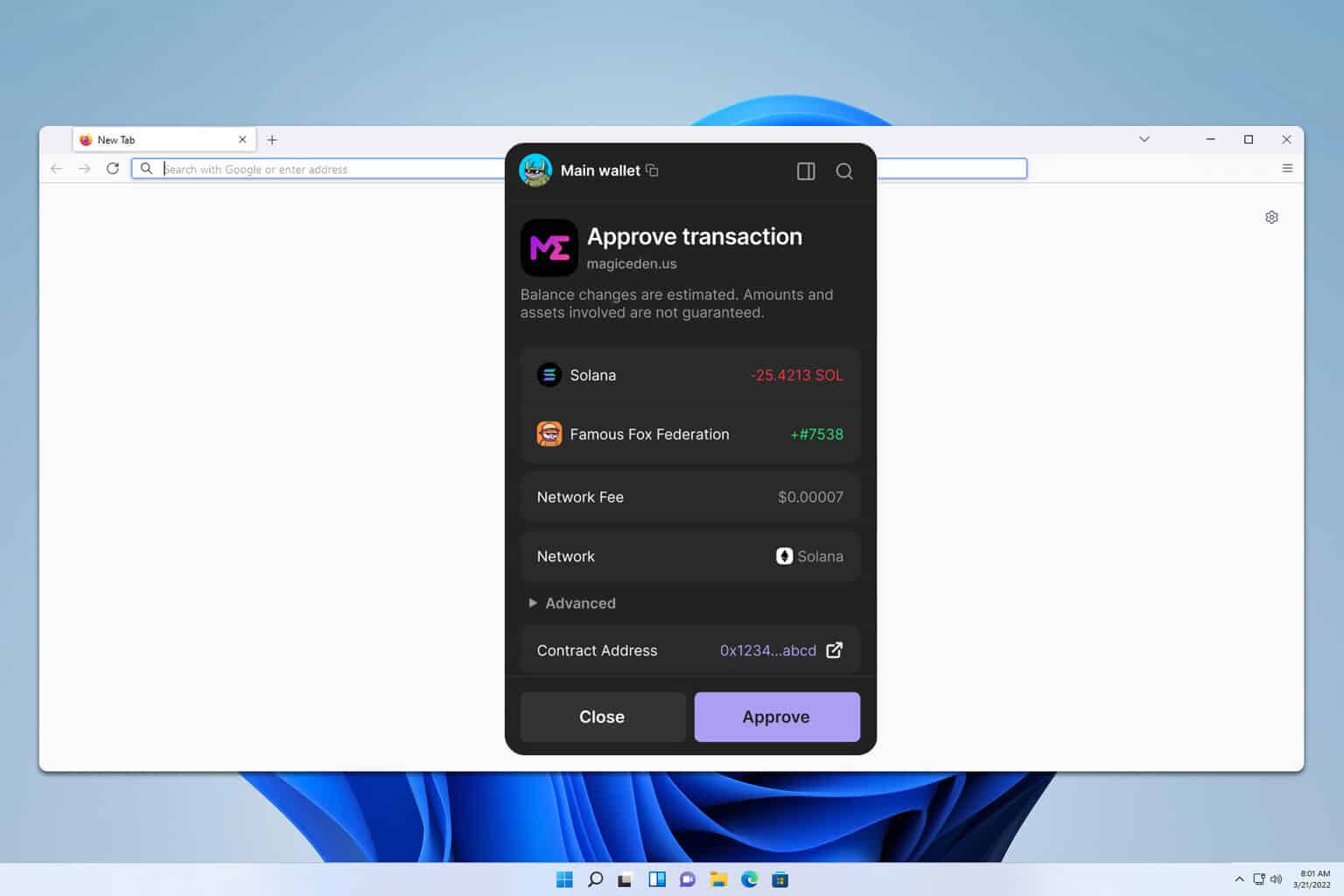
Phantom nails the simple stuff: clear transaction previews, easy network switching, and integrated NFT support that feels native.
Though actually, the extension’s simplicity can hide advanced features—like program logs and raw instruction views—which I wish were more discoverable for power users.
On balance I like being able to see decoded transaction data when I want it, and Phantom mostly delivers that without overwhelming newcomers.
Hmm…
One annoying gap: direct swap slippage warnings sometimes lack context.
If a token has low liquidity, price impact can be severe, and slippage protection settings need to be tuned manually.
This part bugs me because users can be comfortable with a single “confirm” click and miss the risk.
So practice on small amounts, check price impact, and consider using liquidity routes or aggregators when available.
Whoa!
Recovery is a real thing.
If you lose your seed phrase, your assets are gone—no customer support hotline to call.
Phantom can’t restore keys for you; it can only guide you to import a known seed or connect a hardware wallet, so keep backups redundant and geographically separate.
I keep two paper backups in different safe spots and a sealed backup in a safety deposit box for somethin’ like peace of mind.
Advanced tips I actually use
Okay, so check this out—use a dedicated browser profile or a secondary browser just for crypto.
It isolates your extension environment from everyday browsing and reduces cross-site contamination risk.
Also, enable transaction previews and read the raw data when possible, especially for new tokens and complex dApp flows.
On one hand this takes extra time; on the other hand, it prevents a bunch of “oops” moments that are hard to reverse.
Whoa!
Consider connecting Phantom to a hardware wallet for big moves.
It adds friction but dramatically improves security because private keys never leave the hardware device.
If you’re doing treasury operations or managing high-value NFTs, that step is worth the slight hassle.
I use a ledger with Phantom when I need to sign sizable or sensitive transactions.
Really?
Yes.
Keep software up to date—both the extension and your browser.
Patches close vulnerabilities that attackers might chain together to exploit extensions.
Automatic updates help, but I also glance at changelogs for anything that looks odd or invasive.
Common questions I answer a lot
Is Phantom safe for daily use?
Short answer: yes, for small operational balances.
Longer answer: it’s a solid extension with good UX and active devs, but treat it like a hot wallet—use hardware storage for large amounts, and always verify installation sources and permissions.
What if I lose my seed phrase?
There’s no company support to restore funds; you must have your seed.
So back it up offline in multiple physical locations and consider a secure deposit box for critical backups.
Can Phantom interact with all Solana dApps?
Mostly yes.
Phantom supports the broad Solana ecosystem, but new or niche programs might have compatibility quirks; test interactions with small amounts first and read community notes before major actions.
I’ll be honest—this space moves fast.
Features shift, new attack patterns emerge, and what felt safe last year might need rethinking now.
But the fundamentals stay the same: minimize exposure, verify sources, use hardware when needed, and treat extensions as convenient tools rather than vaults.
Something felt off about the early days of Solana, but tools like Phantom have matured a lot, making the ecosystem much more approachable for regular users.
So go ahead—experiment, but do it smart.
Comments (No Responses )
No comments yet.